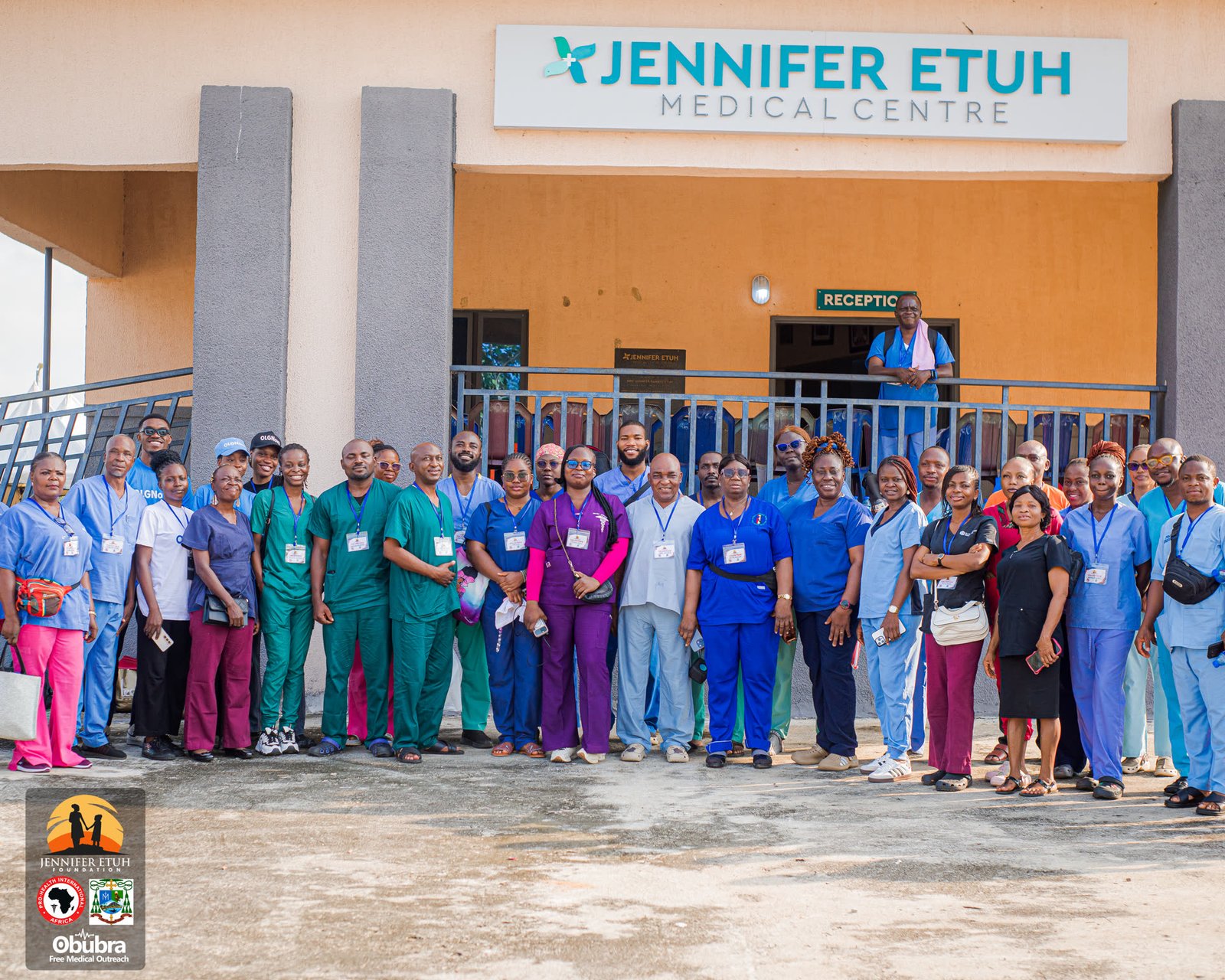
Five days of medical care. Thousands of patients. And moments that will remain with families long after the outreach has ended.
“Today, my son is seeing fine.”
There are moments when the impact of healthcare cannot be adequately expressed through medical terminology, financial figures, or statistical reports. Sometimes, it is found in the voice of a father describing a change he had long hoped to witness.
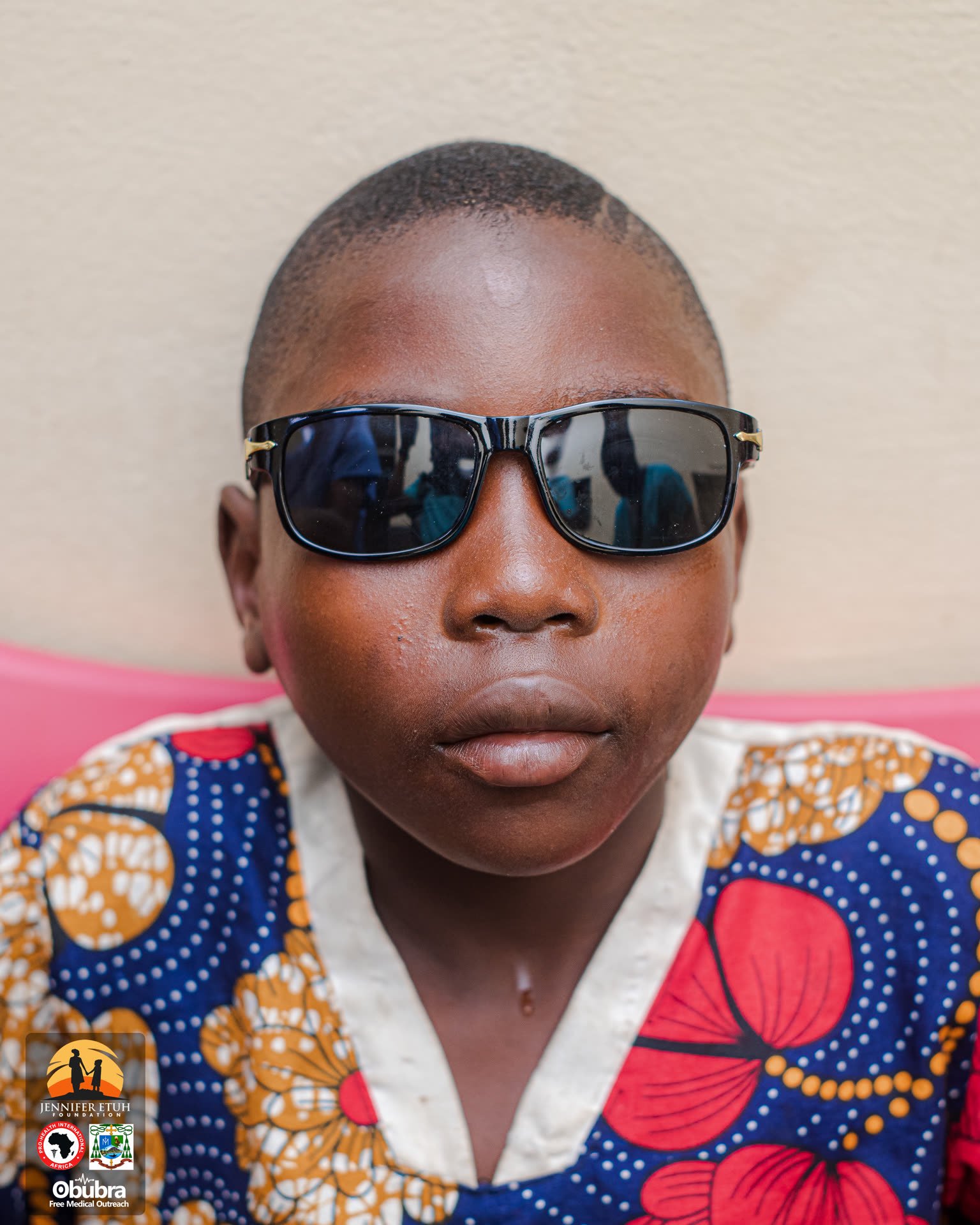
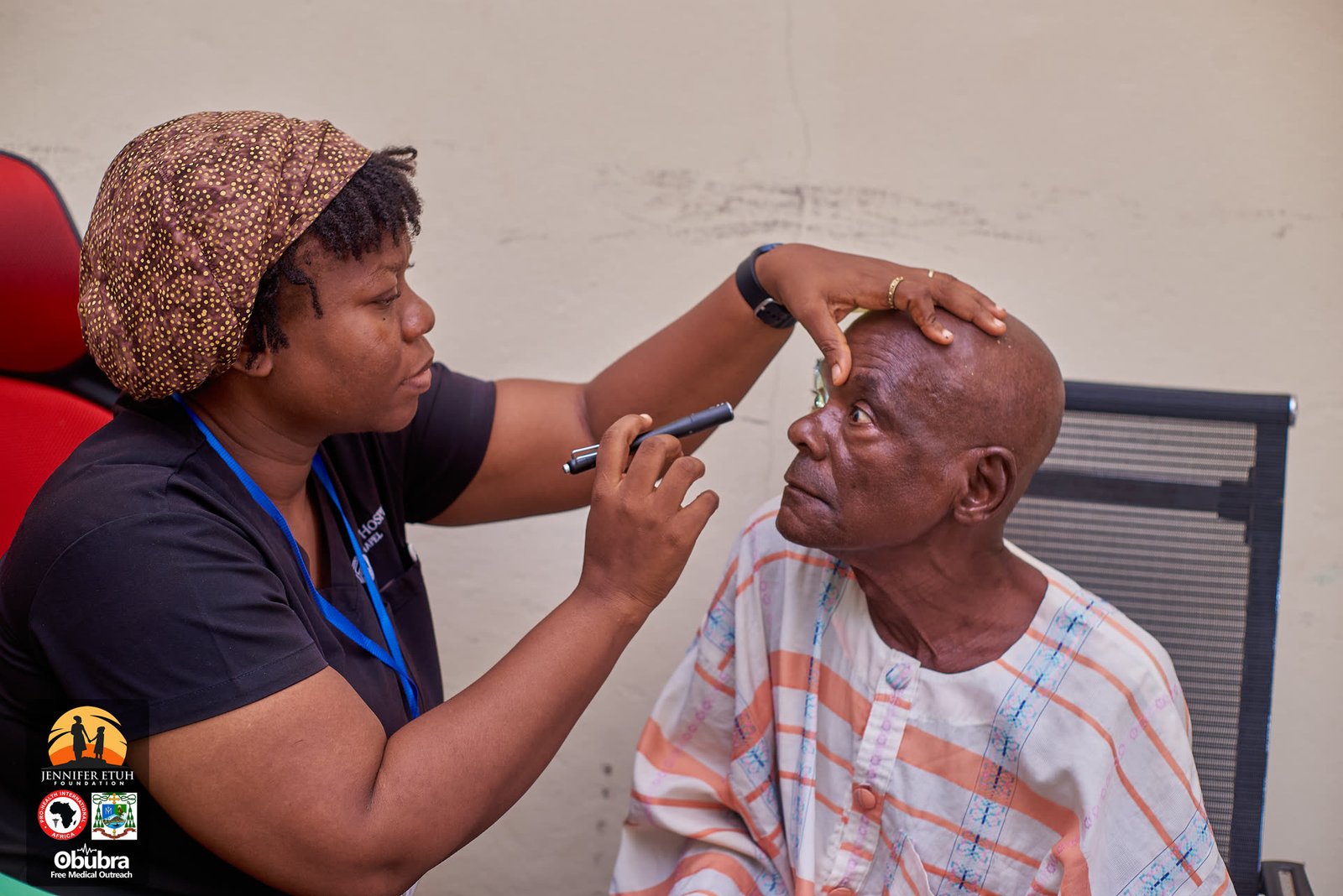
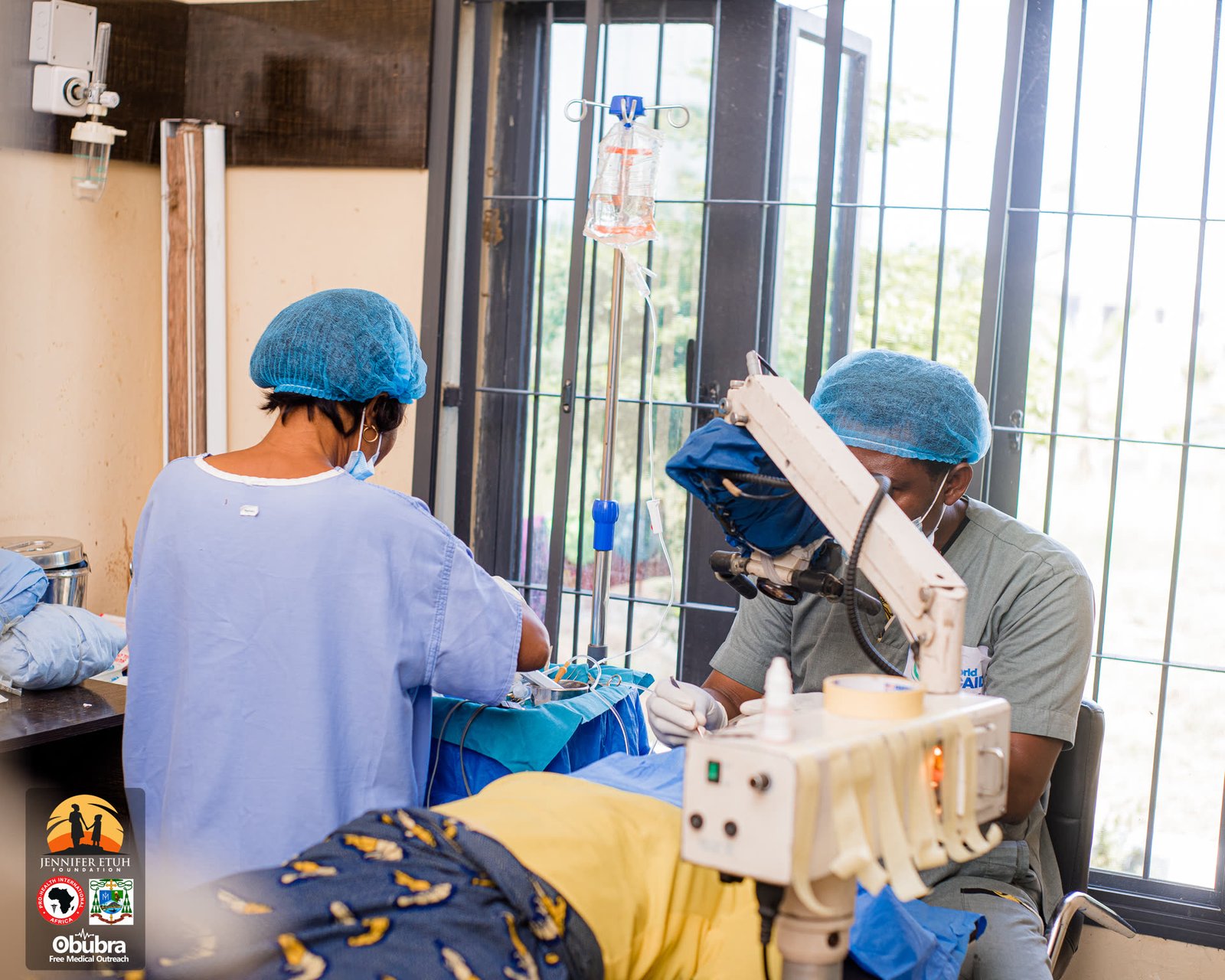
At the Obubra Free Medical Outreach in Cross River State, that father was speaking about his son, who had been diagnosed with a developmental cataract in his left eye, leaving him unable to see through the affected eye. For about two years, the family had lived with concerns about the child’s condition. Then news of a free medical outreach reached them.
They came seeking help. The boy underwent surgery, and his father’s testimony afterwards carried the joy of a family witnessing a remarkable change. “Today, my son is seeing fine. I thank God.” His story was one of many.
When the Cost of Treatment Becomes an Impossible Choice
For another family, the obstacle was not the absence of medical treatment but the inability to afford it. A parent had spent seven years seeking help for a child who needed hernia surgery. After moving from one hospital to another, the family was confronted with a bill of ₦150,000. It was an amount they could not afford.
With options running out, the parent turned to prayer, asking God to send someone who could help. That help eventually came through the outreach. The child received surgery without charge, and a parent who had spent years searching for a solution could finally speak with gratitude instead of uncertainty.
Elsewhere, a man who had lived without sight for three years underwent an eye operation. His brother, who accompanied him to the outreach, described the outcome in one unforgettable sentence: “And now my brother can see.”
Another beneficiary, who had struggled with an eye growth since 2023, received surgical care. Others obtained eye examinations, corrective lenses and medication. Different medical conditions. Different personal circumstances. Yet a common experience emerged: access to treatment that had previously seemed beyond reach.
New Life, Renewed Hope
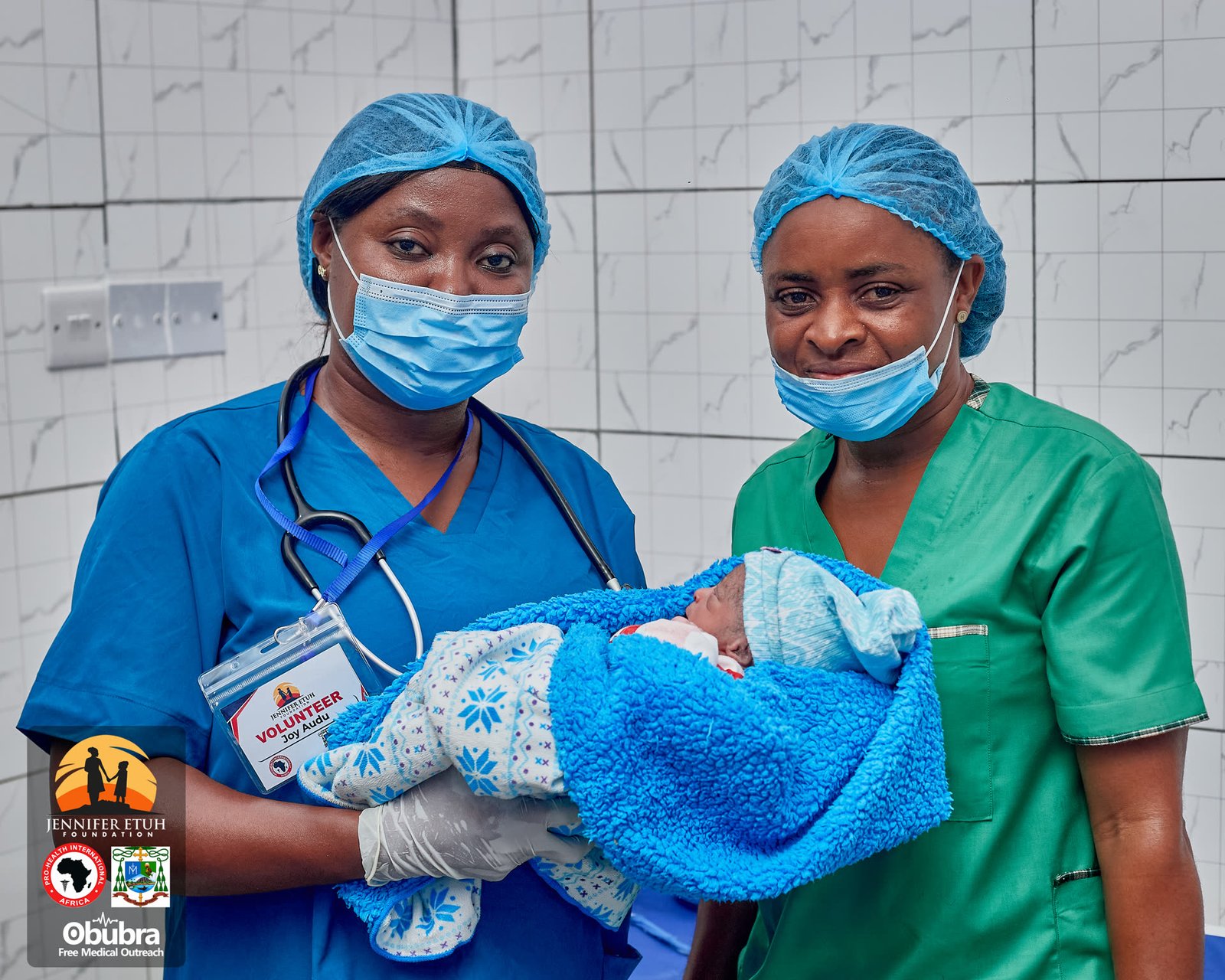
The outreach also witnessed moments when skilled medical intervention became especially urgent. A 27-year-old woman presented in labour with fetal malpresentation and no history of antenatal care. Her condition required prompt intervention. A Caesarean section was performed, and a baby girl was delivered.
In another case, a 37-year-old woman presented with preeclampsia, a potentially dangerous pregnancy-related condition. She was stabilised and taken for surgery. For the families involved, these were not ordinary medical encounters. They were deeply personal moments marked by concern, anticipation and relief.
One grateful husband, whose wife underwent a successful Caesarean section, expressed what many families felt: “We thank God it came out successfully despite all odds.”
These experiences highlighted the importance of timely obstetric care and the role that access to skilled medical professionals can play in protecting mothers and their babies.
Five Days of Service, Thousands of Interventions
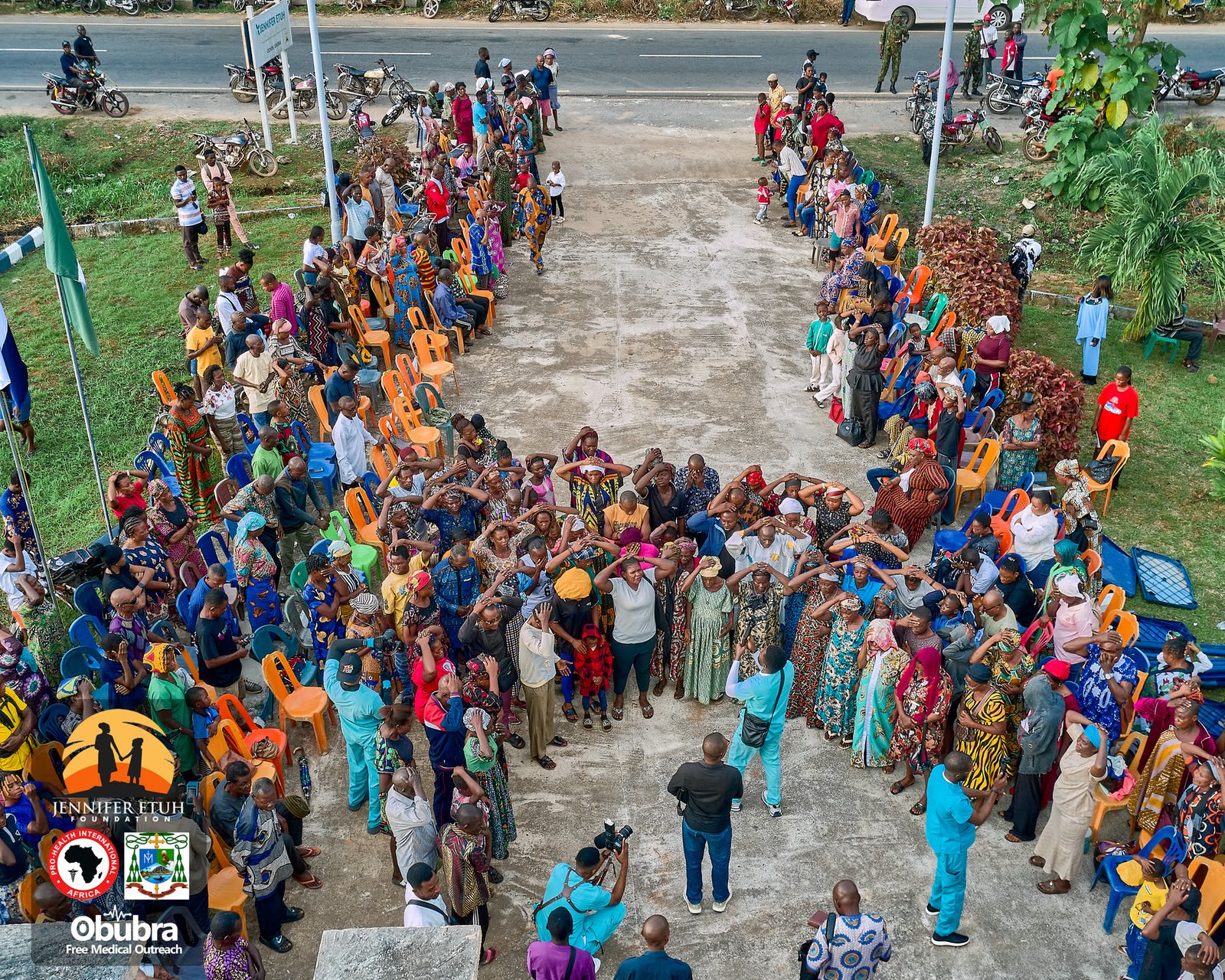
Across five days, the Obubra Free Medical Outreach 2026 reached 3,826 patients and recorded 10,519 medical interventions. The multidisciplinary effort included general consultations, laboratory investigations, pharmacy services, dental care, eye care, surgical procedures and health promotion activities.
The final report documented:
- 98 eye surgery procedures
- 122 operating-room procedures
- 663 eye-care contacts
- 264 glasses provided
- 3,051 investigations
- 1,957 pharmacy service contacts
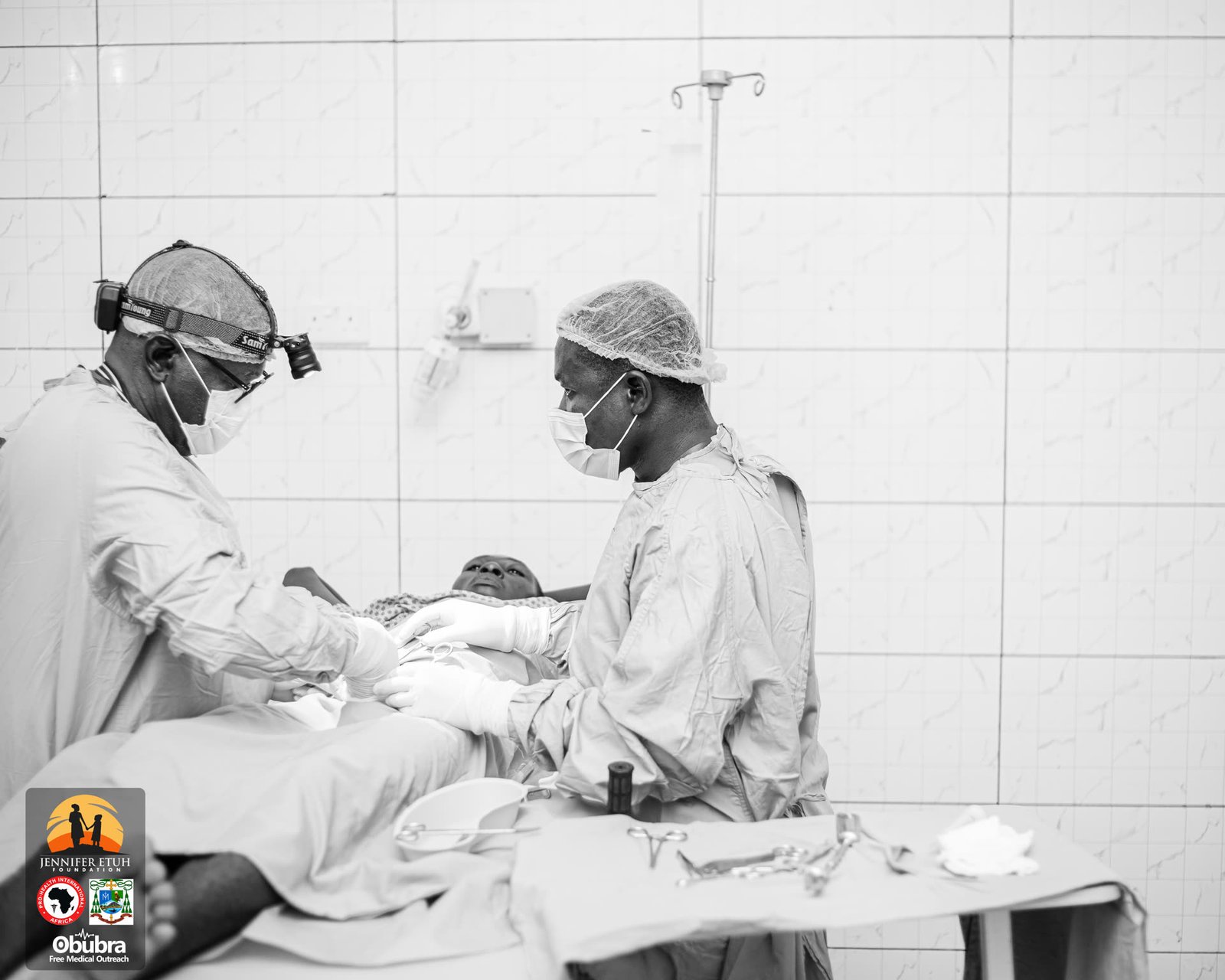
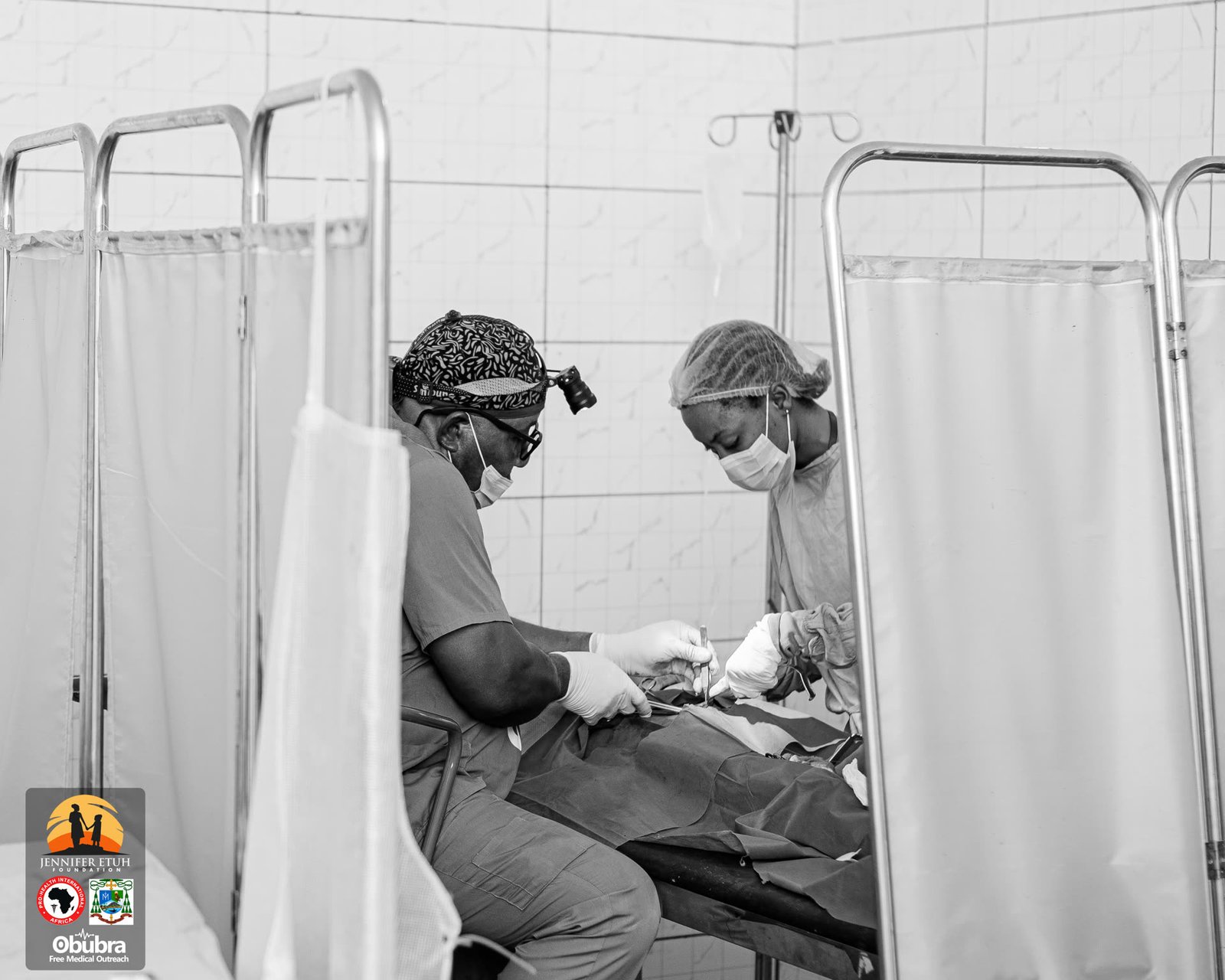
Each figure represents a dimension of the work undertaken by medical professionals and volunteers. Yet the significance of the outreach extends beyond the procedures performed.
For some beneficiaries, it meant finally receiving a diagnosis. For others, it was access to essential medicines, relief from prolonged discomfort, or the opportunity to undergo an operation that financial hardship had placed out of reach.
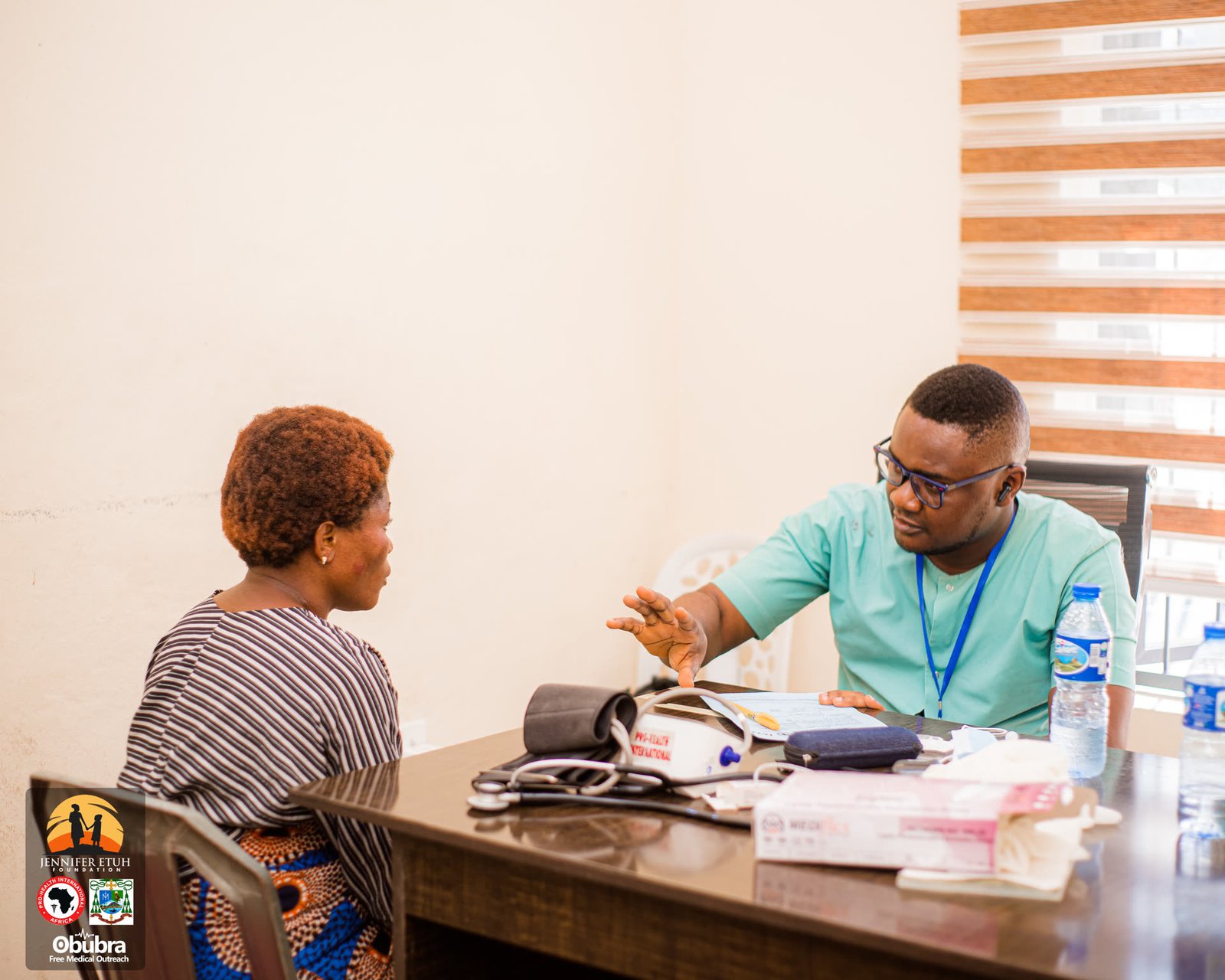
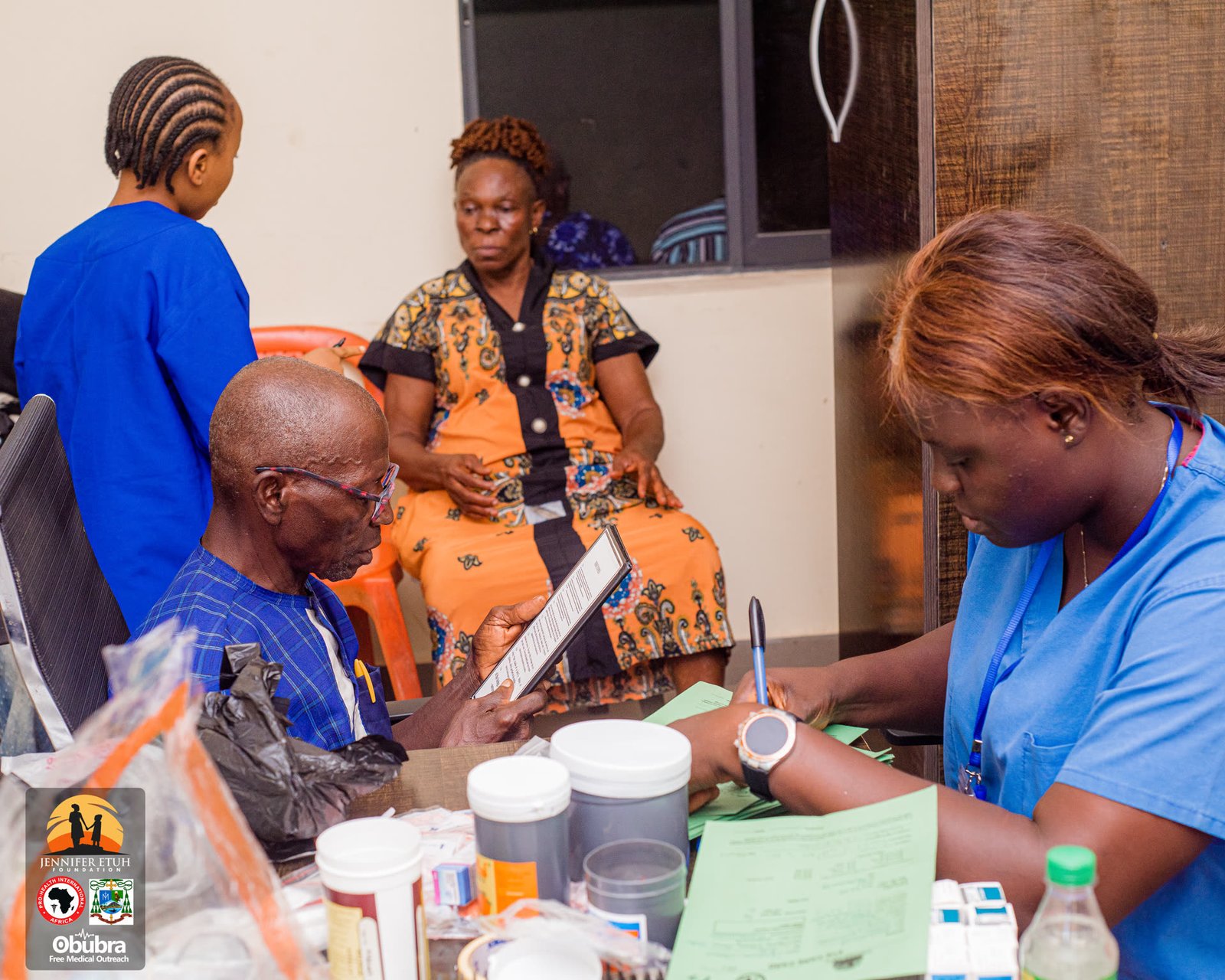
Healthcare That Continues Beyond the Consultation Room
While medical teams attended to immediate needs, health education formed another important part of the outreach. Healthcare professionals used the opportunity to address three major public health concerns: hypertension, maternal health and malaria.
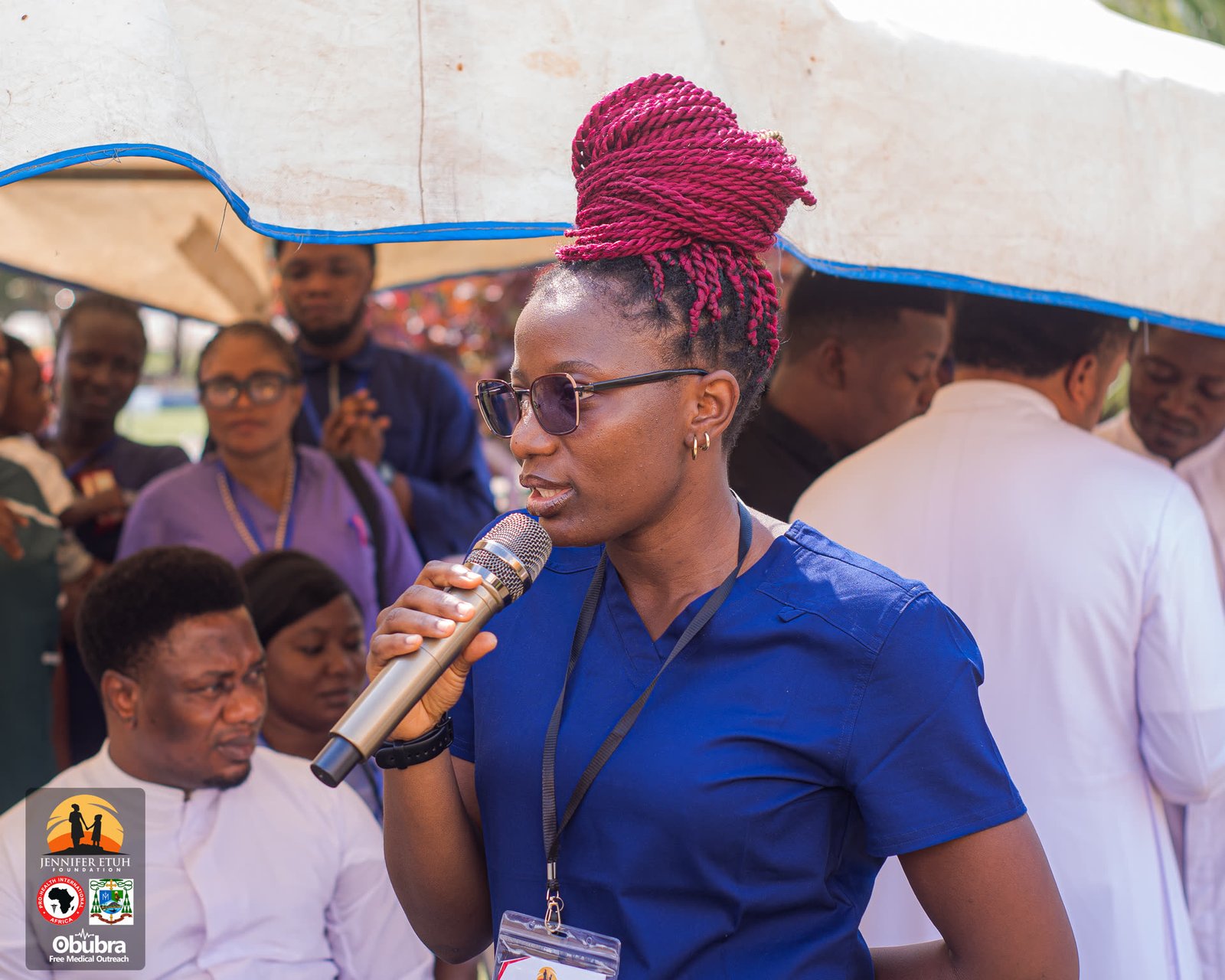
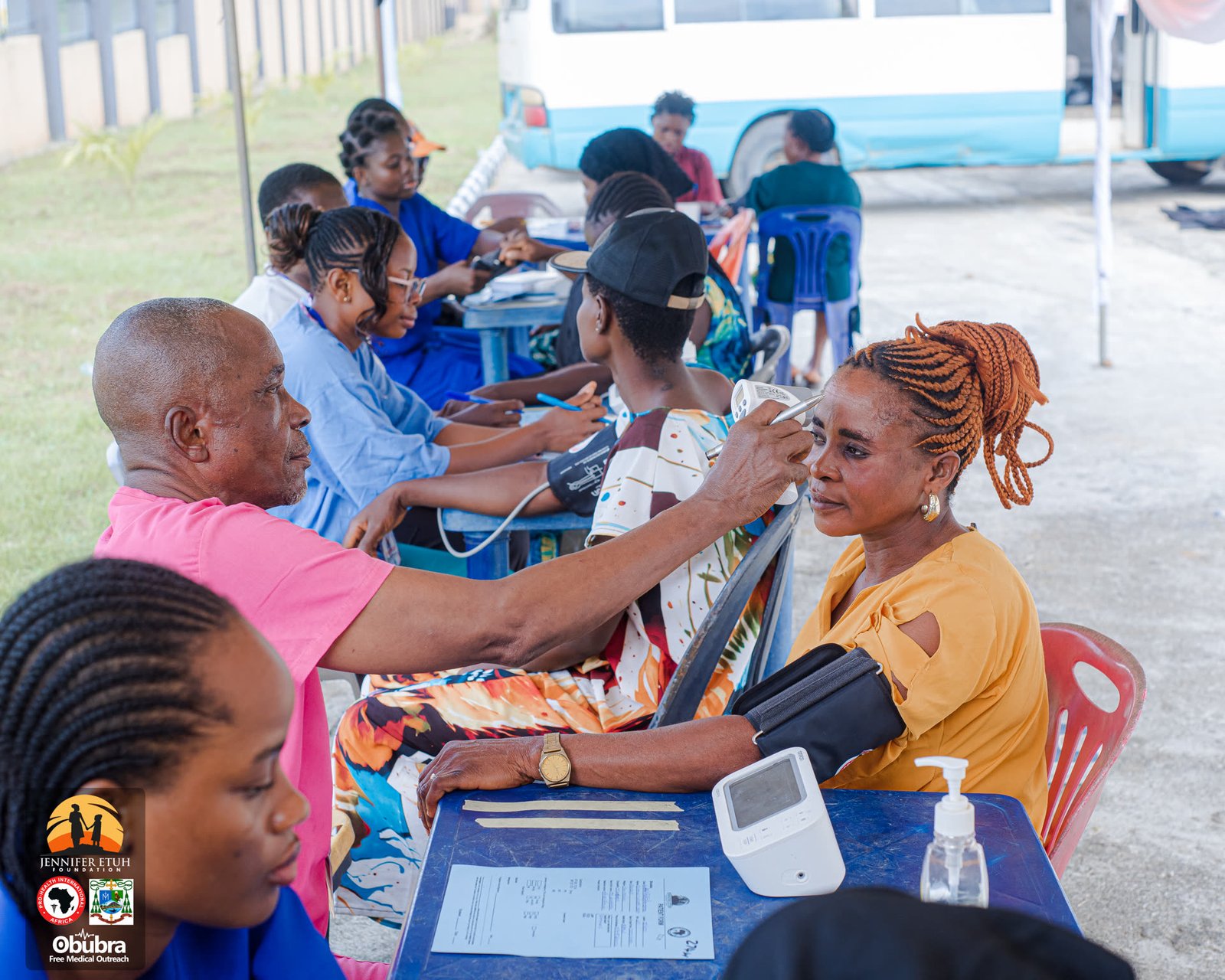
Community members were encouraged to monitor their blood pressure regularly, adhere to prescribed treatment and attend medical follow-up appointments. Pregnant women were reminded of the importance of early antenatal registration, allowing complications to be identified and managed before they become emergencies.
Messages on malaria prevention emphasised the use of insecticide-treated mosquito nets, environmental hygiene, appropriate testing and the dangers of self-medication. These conversations carried an essential message: seeking care early can prevent conditions from becoming more difficult and dangerous to manage.
The consultations would end, the outreach teams would eventually depart, but this knowledge could remain with families and influence future health decisions.
When Partnership Becomes Practical Compassion
The achievements recorded in Obubra were made possible through the funding of Jennifer Etuh Foundation, whose investment helped remove financial barriers to essential healthcare. Working as the implementing partner, Pro-Health International brought together medical expertise, committed healthcare professionals and dedicated volunteers to deliver services directly to beneficiaries.
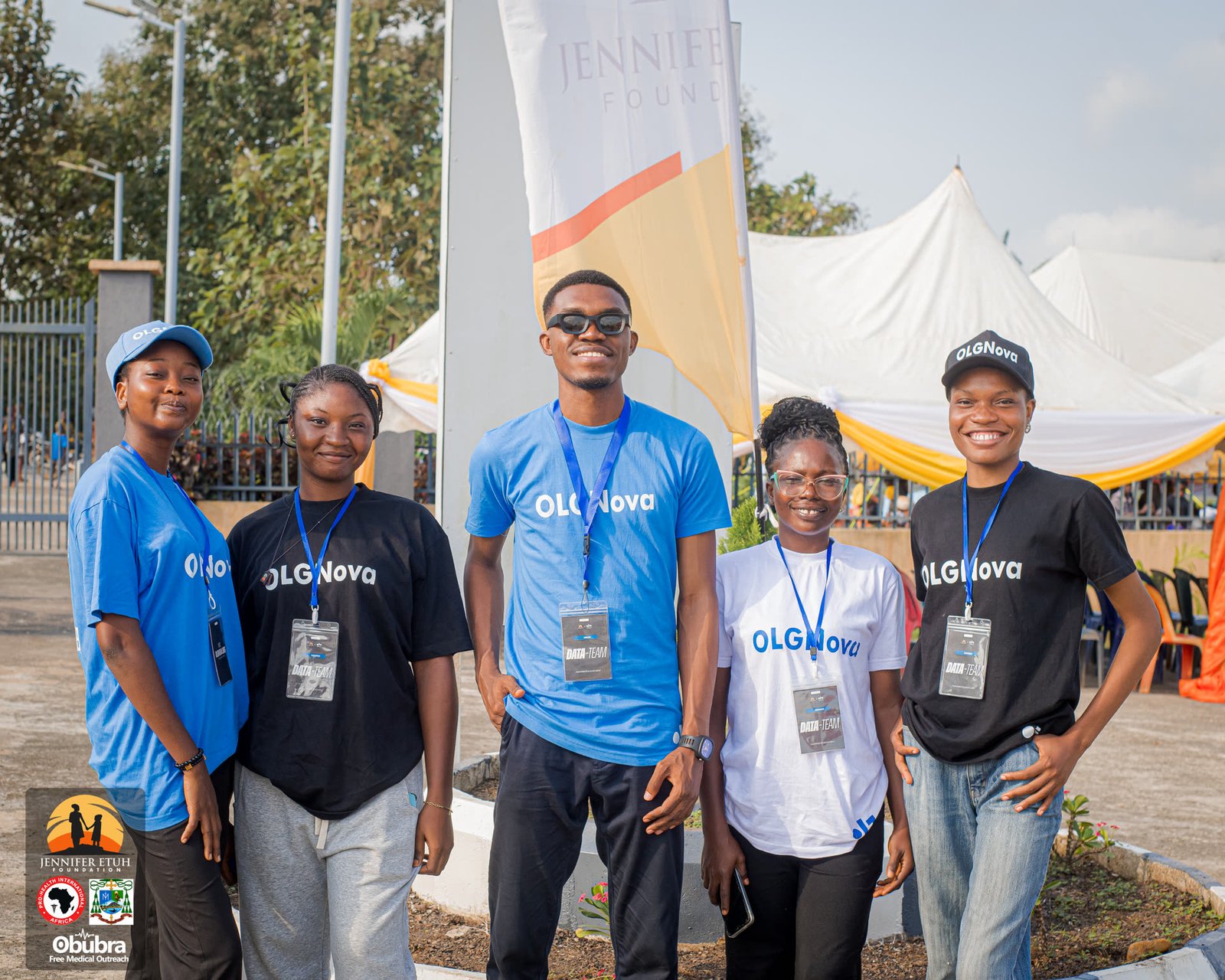
We extend our sincere appreciation to the Catholic Diocese of Ogoja for graciously hosting the outreach and providing an enabling environment for this life-changing initiative. Our heartfelt gratitude also goes to the exceptional medical volunteers who generously gave their time, skills, and professional expertise, working tirelessly to bring relief, healing, and renewed hope to individuals and families throughout the five days.
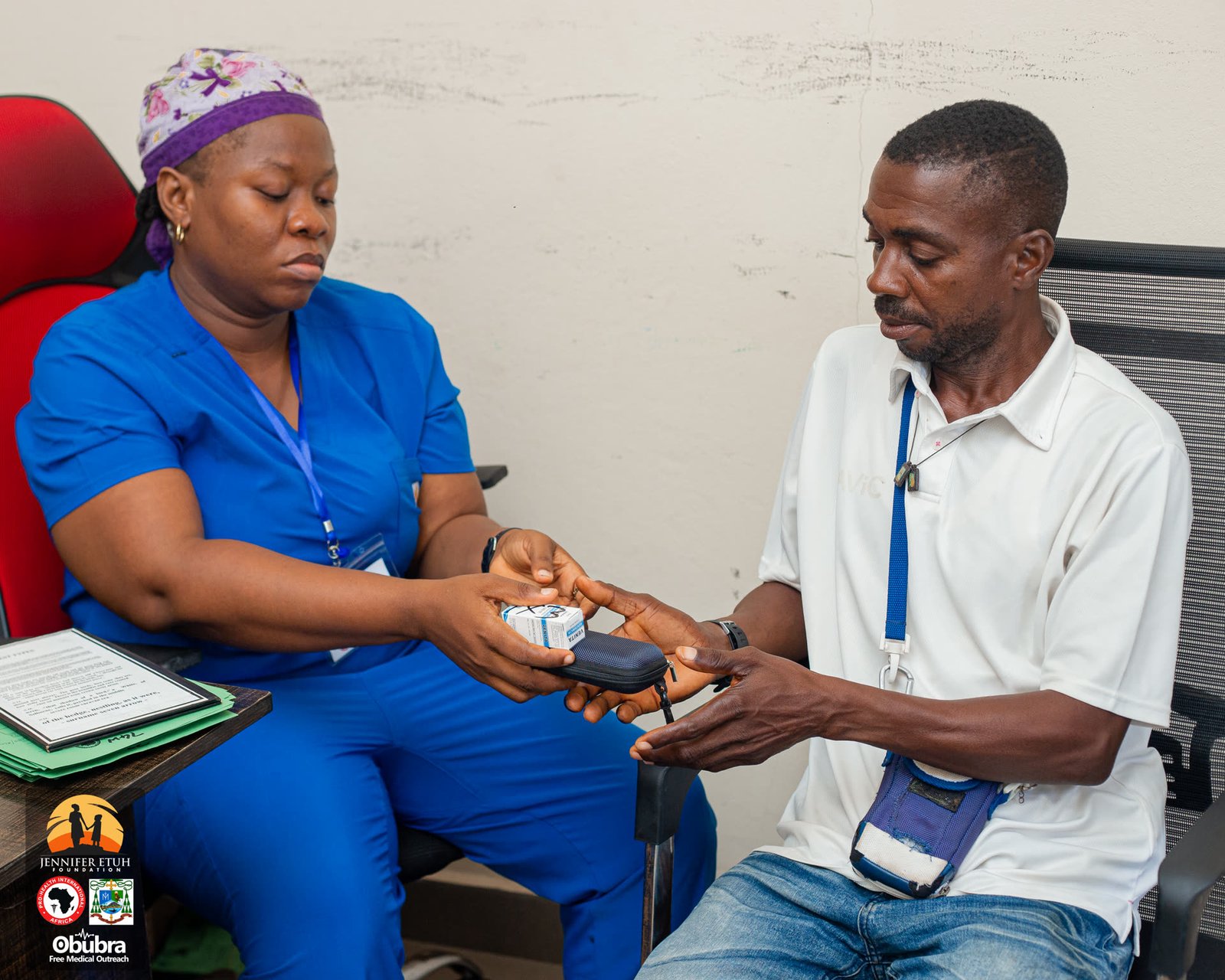
From operating theatres to consultation rooms, from patient registration to the distribution of medication, the outreach reflected the importance of coordinated action in bringing healthcare closer to people. The generosity of the funder, the dedication of healthcare workers and the willingness of volunteers to serve came together in ways that made a tangible difference. Every successful intervention was also a reminder of what meaningful collaboration can achieve.
What Obubra Will Remember
When the final patient had been attended to and the five-day outreach drew to a close, the statistics captured the scale of the work. 3,826 patients seen. 10,519 interventions recorded. But some of the most meaningful outcomes could never fit neatly into a table.
A father watched his son experience improved sight. A parent found surgical care after years of searching. A brother celebrated the return of a loved one’s vision. A mother welcomed her baby into the world. Families received medical attention without carrying the financial burden they had feared. And community members left with knowledge that could help them make better decisions about their health.
The Obubra Free Medical Outreach was more than five days of medical activity. It was a demonstration of what becomes possible when resources, professional expertise and the willingness to serve meet genuine human need.
Long after the numbers have been reported, the lives touched will remain the most important part of the story.
Funded by Jennifer Etuh Foundation | Implemented by Pro-Health International