
IRPHEN Plus.
Integrated Response to Public Health Emergencies in Nigeria
Strengthening Nigeria's capacity to prevent, detect and respond to public health emergencies through stronger surveillance, workforce and emergency management systems at Points of Entry and across sub-national levels.

Strengthening health security at Nigeria's gateways.
IRPHEN Plus supports strategic Points of Entry across airports, seaports and land borders while strengthening sub-national health security systems.
The programme strengthens Nigeria's capacity to prevent, detect and respond to public health emergencies through surveillance, workforce development and emergency management systems.
Sub-national support is provided in the Federal Capital Territory, Ebonyi, Ondo and Sokoto States.
Health security at every gateway.
IRPHEN Plus supports strategic Points of Entry where movement across borders requires strong surveillance, preparedness and response systems.

Airports
Supporting border-health surveillance and public health emergency preparedness at strategic aviation gateways.
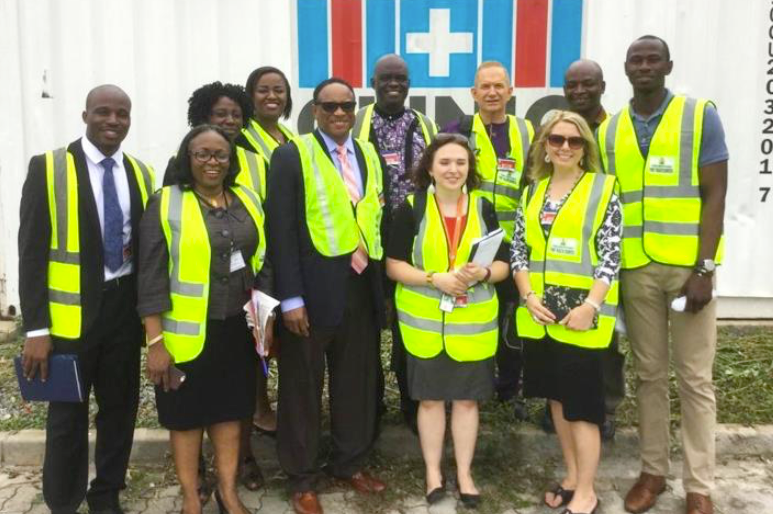
Seaports
Strengthening preparedness and surveillance capacity at maritime Points of Entry.
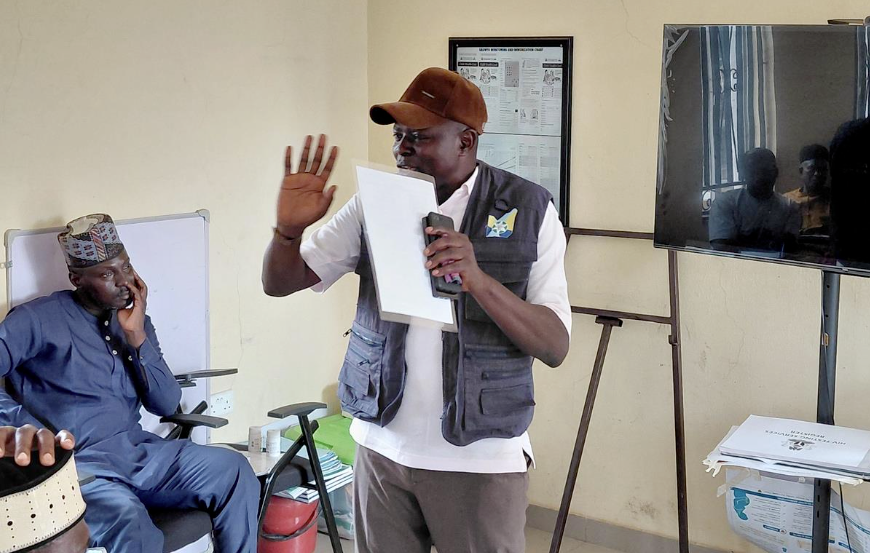
Land Borders
Supporting surveillance and cross-border epidemic intelligence at strategic ground crossings.
Connected systems for stronger emergency response.
Strengthening PHEOCs
Strengthening Public Health Emergency Operations Centres to support coordinated preparedness and response.
SORMAS Reporting & Surveillance
Strengthening digital surveillance, reporting and public health information systems.
Cross-border Epidemic Intelligence
Supporting intelligence and coordination required to identify and respond to public health threats across borders.
PHEM Training
Strengthening public health emergency management capacity at national and sub-national levels.
National reach. Sub-national support.
IRPHEN Plus supports strategic Points of Entry nationally while strengthening systems in four sub-national locations.
Born from a public health crisis.
IRPHEN was initiated in the aftermath of the West African Ebola Virus Disease outbreak of 2013–2016, which exposed significant vulnerabilities in disease surveillance and emergency response systems across the region.
The programme subsequently focused on strengthening disease surveillance structures and public health emergency preparedness at Nigeria's Points of Entry.